We are back in Bulgaria now, more than a decade after Laura and I lived here.
This time, we have returned with our children. We have spent time in Sofia, walking through neighbourhoods that once formed part of our everyday lives, before travelling south to Sozopol and the Black Sea. Some places feel almost unchanged. Others have been transformed by new buildings, expensive restaurants and a pace of development that would have been difficult to imagine when we lived here.
Watching Luka fish from the shore, seeing Elli swim in the Black Sea and sitting together over shopska salad and warm bread has made me think about what Bulgaria has meant to us. To the children, it is a new country discovered during a family holiday. To Laura and me, it is a return to a place connected to a completely different period of our lives.
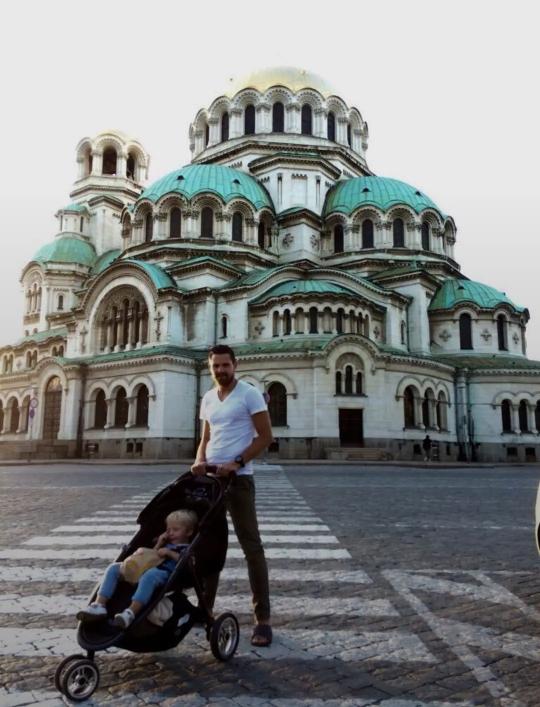
Being here again has brought back memories that I had not thought about for years—not only of football, but of the landscapes, towns, food and people we encountered while living here. It has also reminded me how difficult it has always been to describe Bulgaria to someone who has never experienced it.
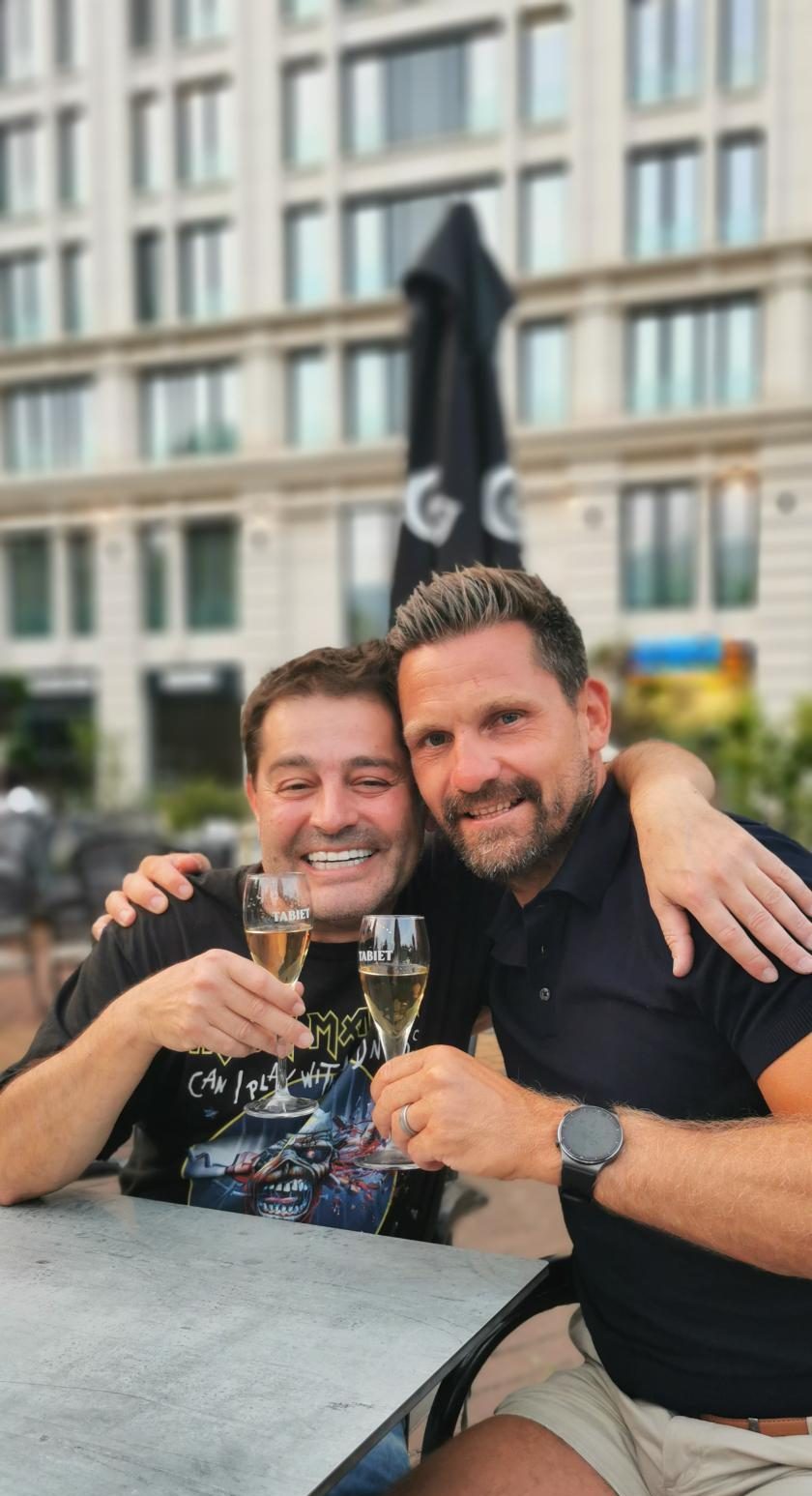
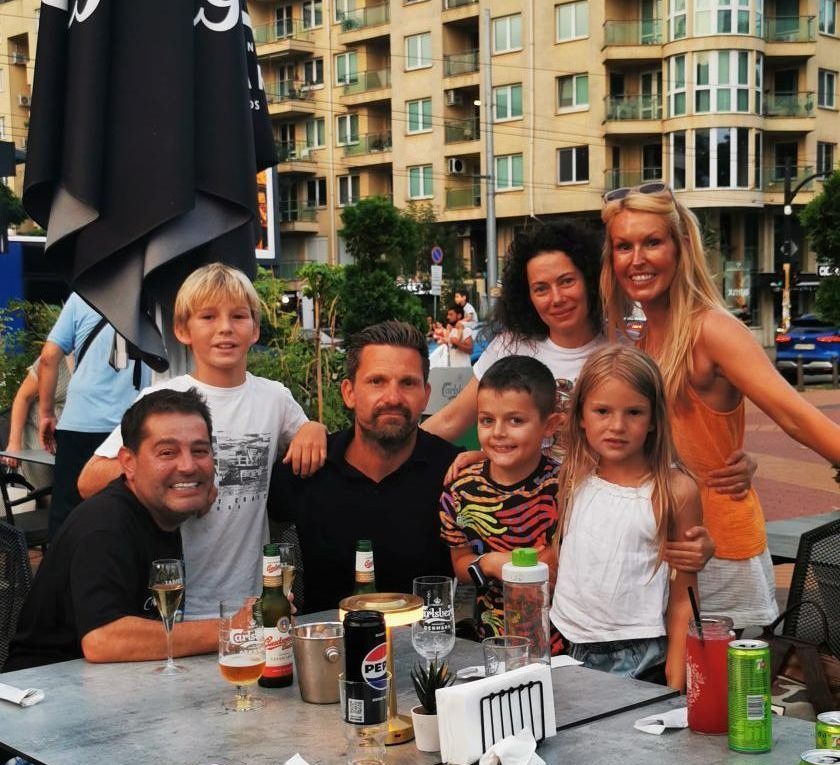
And then there were our old friends, Ani and Biser. More than a decade had passed, but their warmth, generosity and kindness felt exactly the same. Seeing them again brought back memories of the way they had always looked after us—inviting us into their homes, filling the table with excellent food and drink, much of it homemade, fresh and prepared with real care. They would do anything for us, often refusing to let us contribute, and treating us not simply as guests but as family. Being with them again reminded me that some of my strongest memories of Bulgaria were never really about the places at all. They were about the people who made us feel that we belonged.
What does it feel like to arrive somewhere that is both instantly familiar and completely foreign at the same time?
Bulgaria felt like that to me almost immediately.
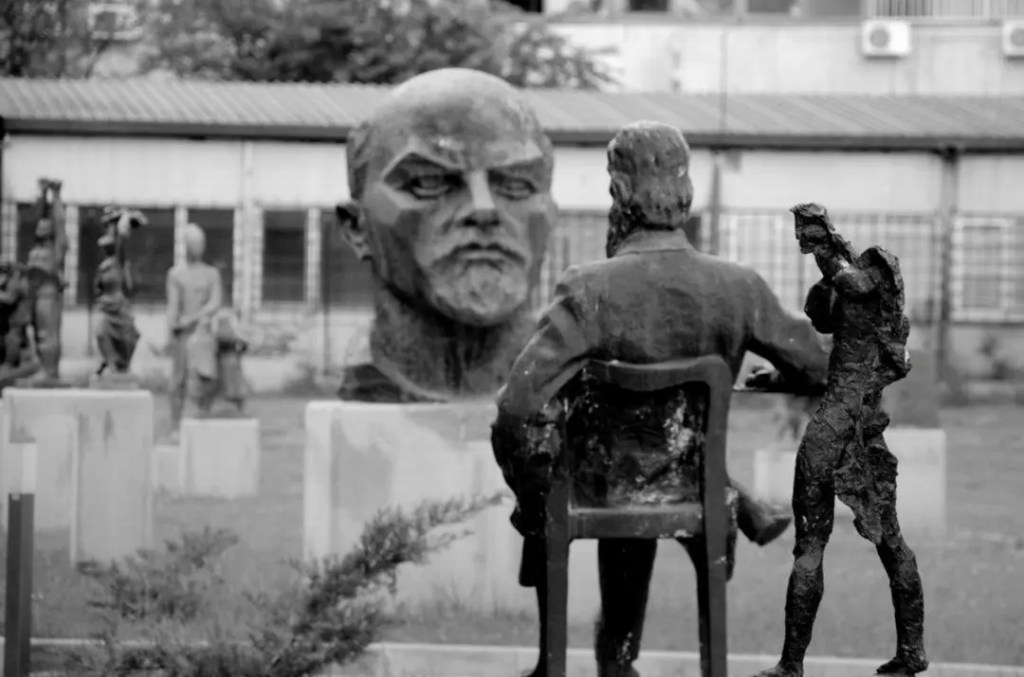
The familiarity came partly from our shared history. Bulgaria and the Czech Republic had both spent decades under communism, and its presence could still be felt everywhere. It remained in the enormous monuments, the concrete apartment blocks, the neglected public spaces and sometimes in the attitudes of the people. There were things I recognised without needing them explained.
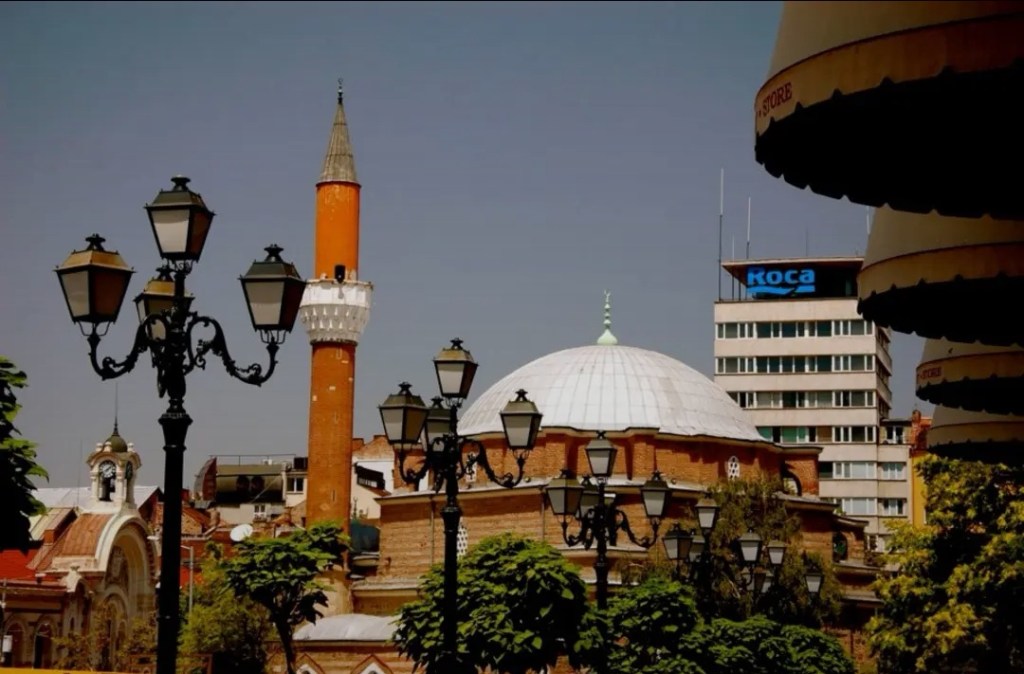
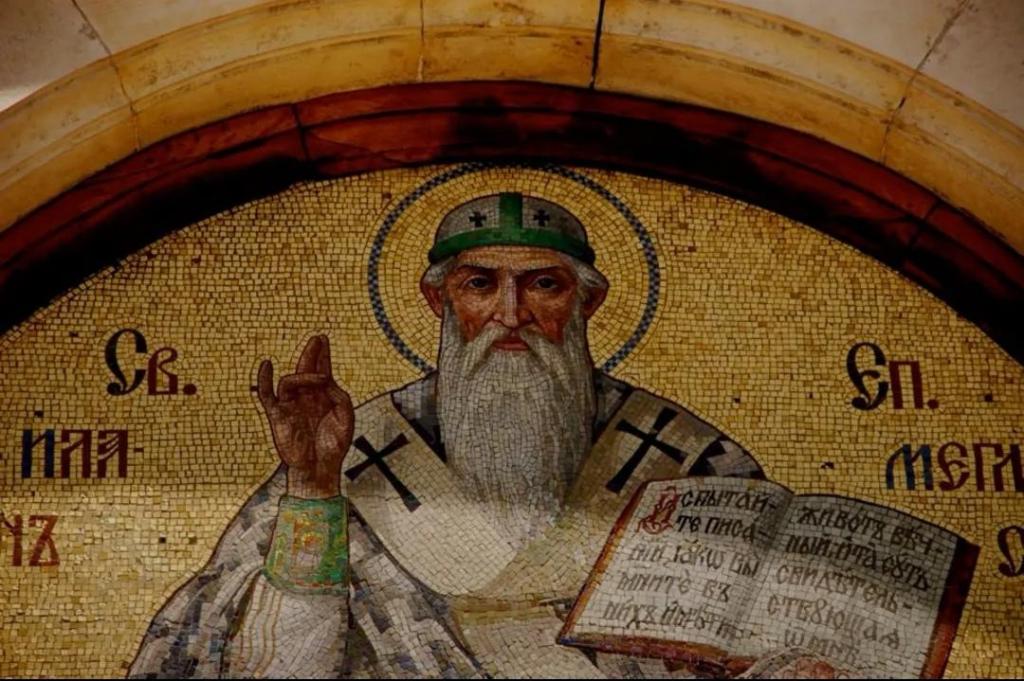
But Bulgaria also felt completely different from anywhere I had lived before. Its history reached far beyond communism—to the Thracians, the medieval Bulgarian kingdoms and nearly five centuries under Ottoman rule. Orthodox churches stood beside Ottoman buildings. Ancient ruins appeared beneath modern cities. The Cyrillic alphabet, the music, the food and the traditions all gave the country a character entirely of its own.
And then there was the landscape.
Sofia sat beneath Vitosha, its mountain visible from almost anywhere in the city. Beyond it were the Rila Mountains, the Rhodopes, Pirin and the Balkan range cutting across the country. To the east was the Black Sea, with places such as Sozopol, where old wooden houses and narrow stone streets overlooked the water.
Ironically, I discovered much of Bulgaria during one of the most difficult periods of my football career.
During the final six months of my contract, CSKA owed me around eight months of salary. The club asked me to accept only half of what I was owed and then sign a new two-year contract on approximately half my previous salary. When I refused, my fate was effectively decided. I was still required to train, but I was no longer allowed to play.
At the time it felt like a punishment. In football terms, it was. But it also meant that, perhaps for the first time in my professional career, my weekends were free.
So I began to explore.
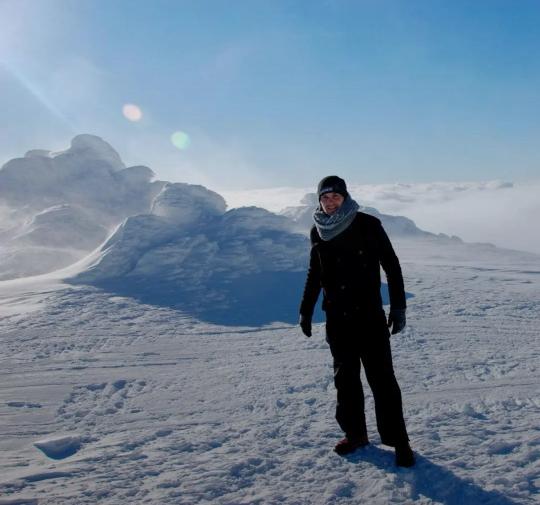
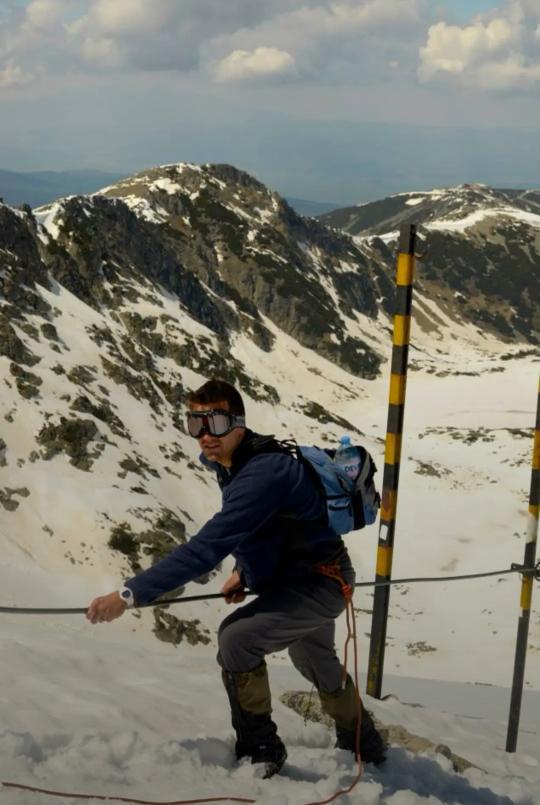
I hired a mountain guide and climbed Musala in winter. At 2,925 metres, it is the highest peak in Bulgaria and the whole Balkan Peninsula. We climbed through deep snow, surrounded by white slopes and frozen mountain lakes. It was physically demanding, but the landscape was extraordinary.
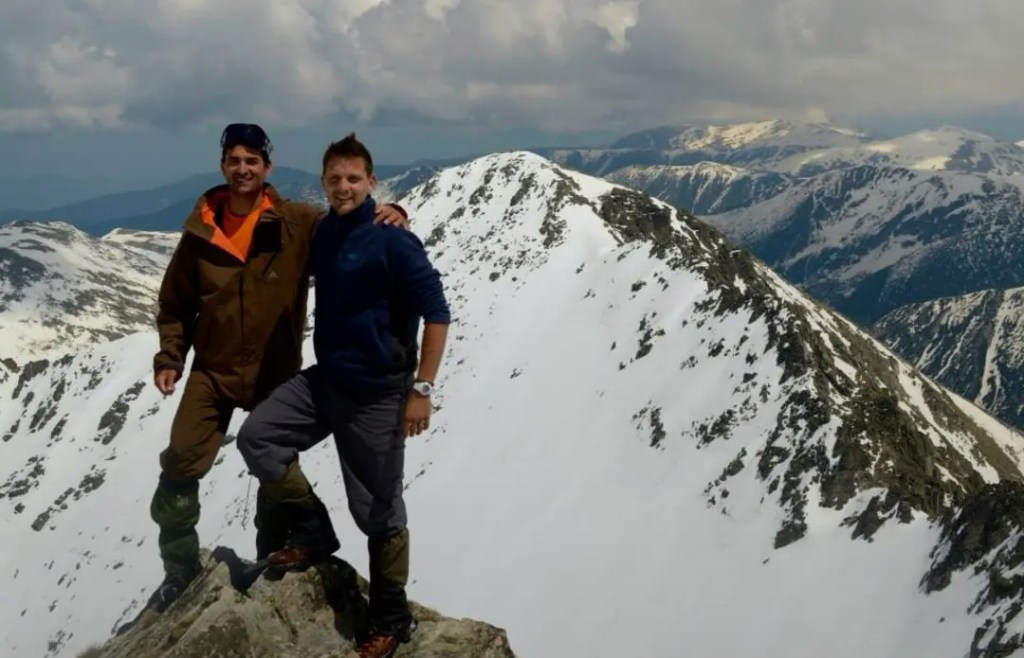
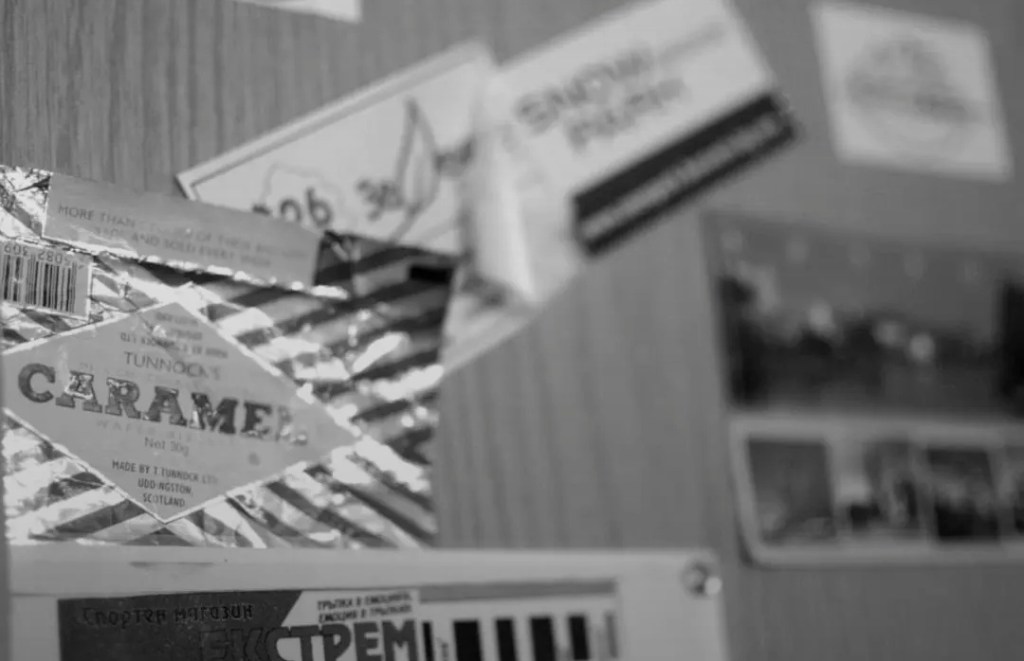
At the summit, in the middle of the Bulgarian mountains, I noticed something completely unexpected: the wrapper from a Tunnock’s Waffer.
Tunnock’s is based in Uddingston, the small Scottish town where I had lived in my first apartment after moving to Scotland. Thousands of kilometres from there, standing on the highest mountain in the Balkans, I had somehow found this tiny reminder of my other life.
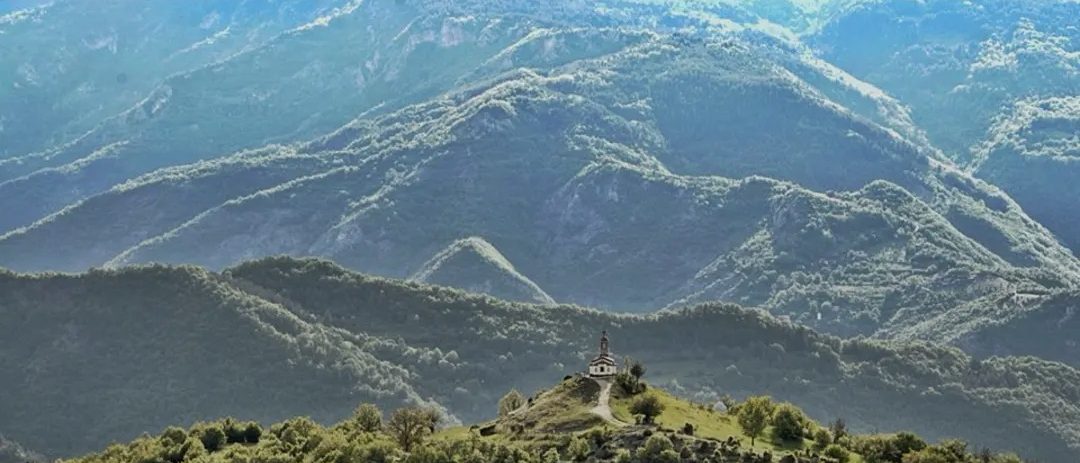
During that same period, I also travelled deep into the Rhodope Mountains, reaching some of the most remote places I had ever visited. The landscape was beautiful—dense forests, winding mountain roads, wide valleys and villages hidden far from the main towns. In some places, life seemed almost untouched by time. Stone houses stood on steep hillsides, smoke rose from chimneys and the silence felt completely different from Sofia. Those journeys showed me another side of Bulgaria: quieter, older and more isolated, but also deeply connected to the land and its traditions.
Laura and I also explored together.
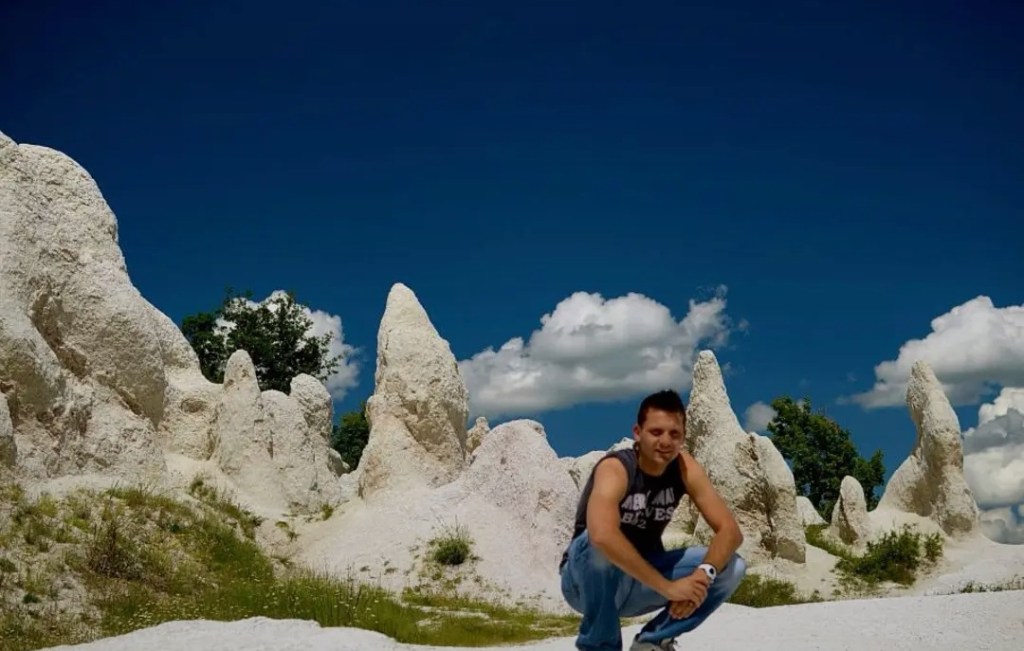
We visited Melnik, Bulgaria’s smallest town, surrounded by sandstone formations and vineyards. The region is famous for its powerful red wine, made from local Melnik grapes. People there proudly told us the story that Winston Churchill had loved the wine so much that he ordered hundreds of litres of it every year. Whether every detail of the story was true hardly seemed to matter. In Melnik, it was part of the wine’s mythology.
We stayed in an old traditional house with its own wine cellar. The woman who looked after the place asked us each evening what time we planned to wake up. She wanted to get up two hours earlier so that she could bake fresh banitsa for our breakfast.
In the morning, the table would be filled with warm banitsa, homemade jam, honey, thick Bulgarian yoghurt and bread. Later, we would sit in the cellar and enjoy a glass—or sometimes two—of the family’s wine.
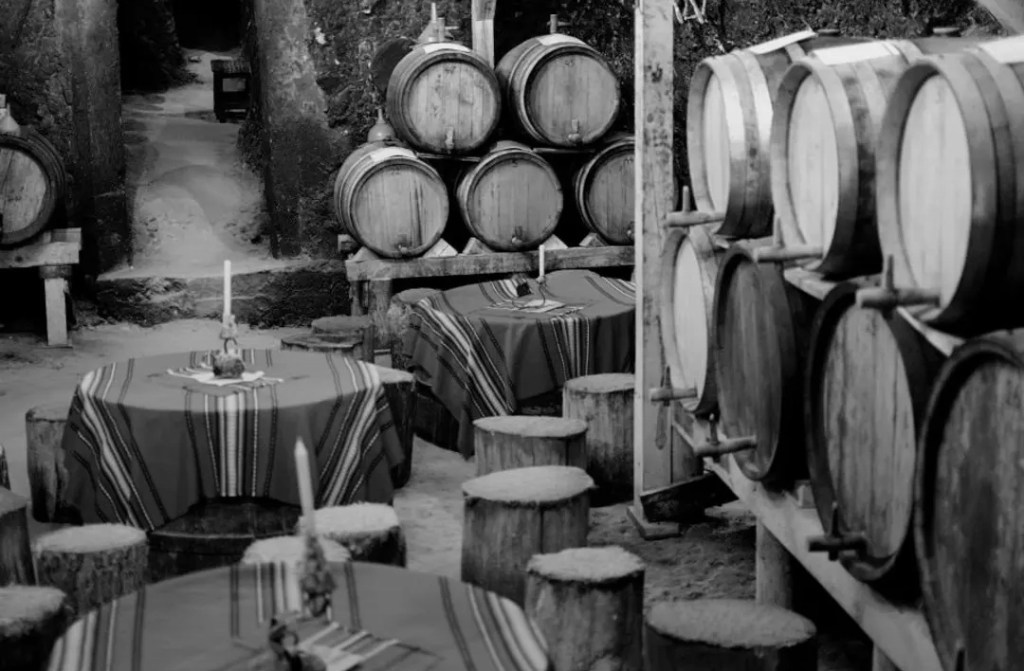
It was not luxury in the conventional sense. There was no polished reception, breakfast buffet or perfectly trained hotel staff. It was something more personal. Someone had woken early because she wanted us to eat her banitsa while it was still warm.
We visited Koprivshtitsa, with its colourful Bulgarian Revival houses and cobbled streets, and Veliko Tarnovo, the former medieval capital rising dramatically above the Yantra River. We walked around the Seven Rila Lakes, a chain of glacial lakes high in the Rila Mountains. We spent winter days in Borovets and summer days beside the Black Sea in Sozopol.
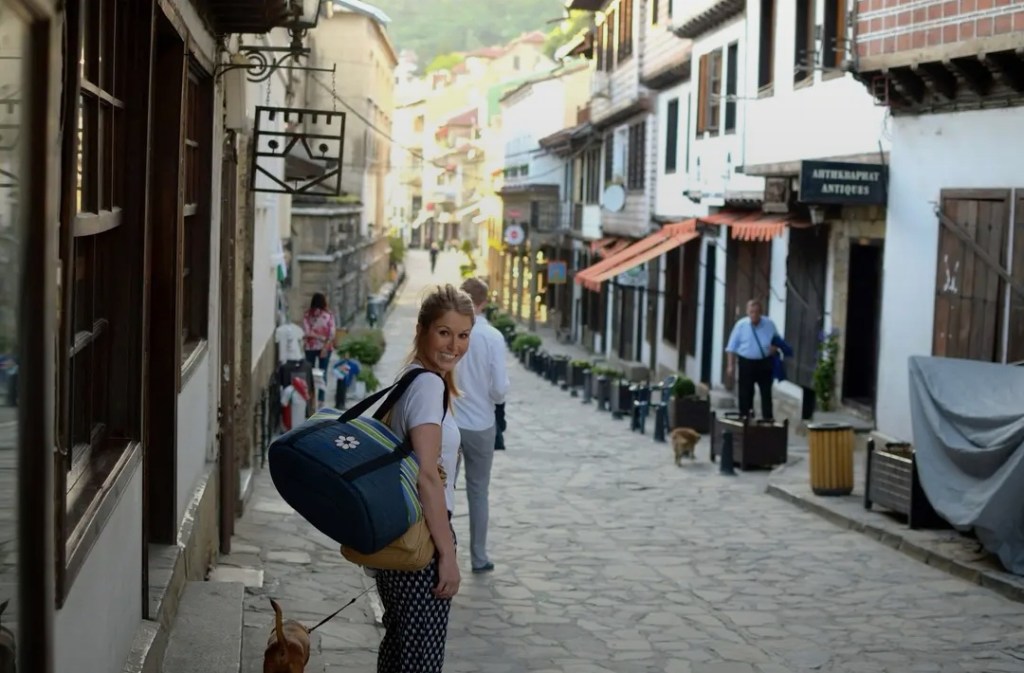
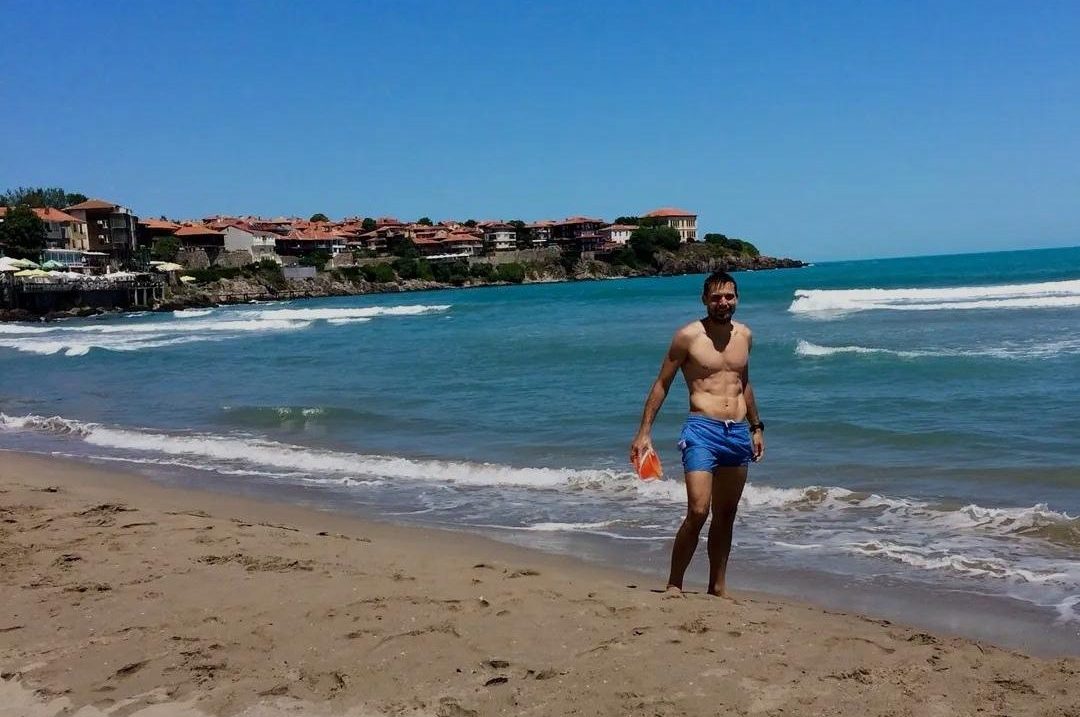
Each place revealed a different Bulgaria.
There was the Bulgaria of mountain villages and wood-burning stoves; the Bulgaria of monasteries, churches and medieval fortresses; the Bulgaria of ski resorts and seaside towns; and the Bulgaria of Sofia, where expensive cars drove along damaged roads beneath monuments inherited from another political age.
Food became another way of understanding the country.
We loved shopska salad covered generously with grated sirene; warm bread torn apart by hand; kebapche and kyufte straight from the grill; banitsa filled with cheese; kavarma cooked slowly in a clay pot; tarator on a hot summer day; stuffed peppers, grilled vegetables and bowls of thick yoghurt.
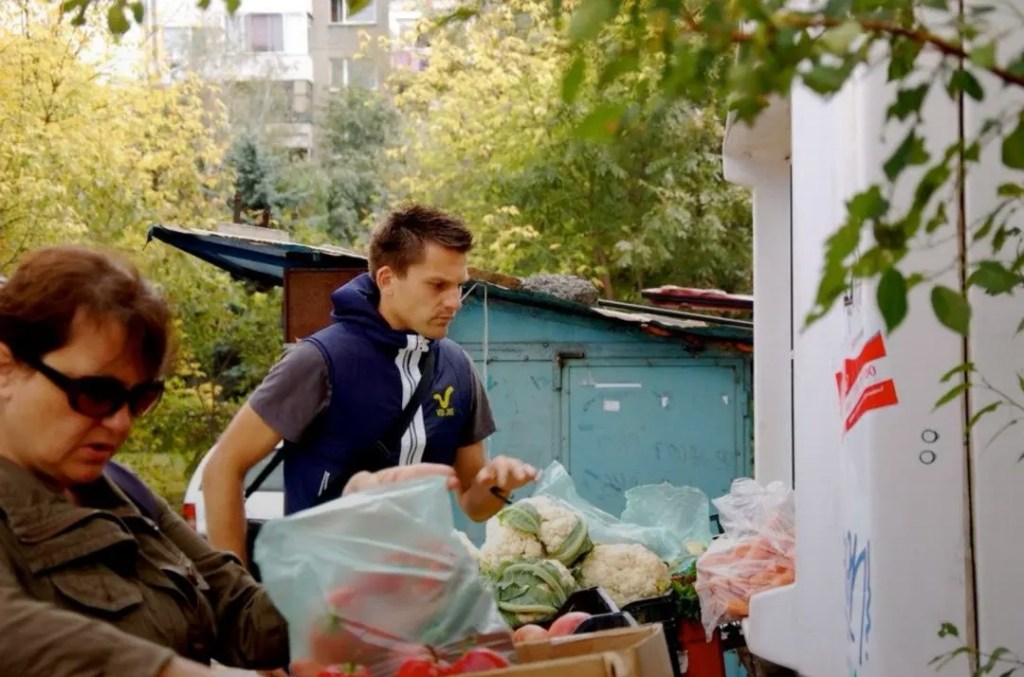
But what stood out just as much was the produce itself. We would stop at small roadside stalls or local markets and buy tomatoes that actually tasted like tomatoes—sweet, rich and full of flavour in a way I had almost forgotten. Alongside them were cucumbers, peppers, peaches and watermelons, all fresh, seasonal and grown locally. The prices were a fraction of what we would have paid in the UK, yet the quality was far superior. It felt simple, but it changed how we thought about food.
There was baklava, strong coffee and tables that never seemed complete without bread. There was rakia, which Bulgarians drank slowly with salad and conversation, as well as local wines and several surprisingly good Bulgarian beers.
The food was rarely complicated. What mattered was the quality of the ingredients, the generosity of the portions and the fact that eating was treated as something to be shared.
Looking back, those months remain among the strangest of my career. Professionally, I was frustrated, angry and uncertain about my future. I was training every day without being given the opportunity to play. The club owed me money, and a career that depended on matches and visibility had been placed on hold.
Yet outside football, Bulgaria was opening itself to me.
The situation that temporarily took football away gave me the chance to climb mountains, enter old wine cellars, wander through historic towns and understand the country in a way I never could have done from a training ground or team hotel.
I had originally come to Bulgaria to play football.
But somewhere along the way, Bulgaria became much more than the place where I played.
 Tomas Cerny - Behind the Gloves