Reflections after watching Rafa Nadal, and remembering what it feels like to put your body on the line.
I have been watching the Rafael Nadal documentary on Netflix.
I always knew he had suffered with injuries. Most people who follow sport knew that. But seeing it all together — the pain, the injections, the treatment, the constant battle with his own body — made me stop and think.
Not just about him.
About myself as well.
Rafa Nadal did not need more money. He did not need more fame. He did not need another trophy to prove who he was. He had already achieved everything most athletes could only dream of.
And yet he kept going.
He kept putting his body through pain. He kept finding a way to compete. He kept pushing to the absolute limit of what his body could take.
Watching it made me think about my own career. My own injuries. My own injections. My own painkillers. The games I played when I probably should not have played. The training sessions where something hurt, but I carried on anyway.
At the time, I did not really think about it deeply.
It was just part of being a professional footballer.
You trained. You played. You got treatment. You took tablets if you had to. You had injections if you needed them. You strapped things up, warmed up properly, convinced yourself you were fine, and got on with it.

Looking back now, I realise there was more to it than that.
Of course, football was my job. I needed to make a living. I needed to earn the next contract. I needed to stay in the team. That was all real.
But I do not think that was the main reason I played through pain.
The truth is, I did not want to miss it.
I had given football so much of my life. Since I was a boy, everything had been built around the game. Training, travel, sacrifice, pressure, disappointment, hope. When you have given something that much, it becomes very hard to step away from it, even for one game.
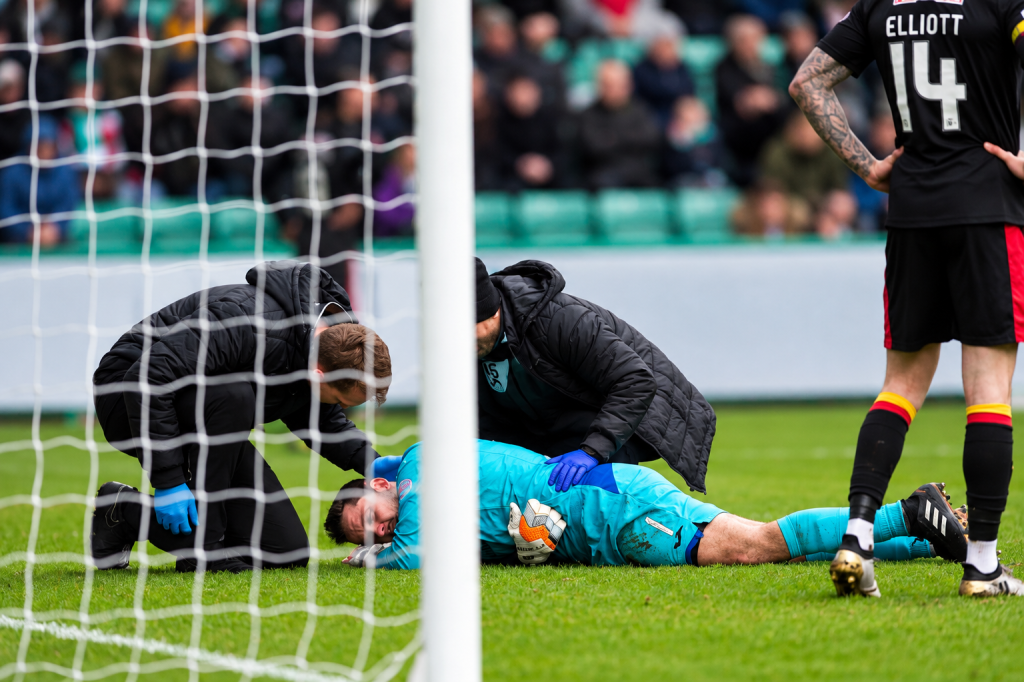
You tell yourself it is only a small injury.
You tell yourself everyone plays with pain.
You tell yourself you will rest after the next match.
And then the next match comes.
As a goalkeeper, there is another part to it as well.
You know how fragile your position can be.
Outfield players can come in and out of the team more easily. They can be substituted, rotated, moved around. But goalkeepers are different. Most teams do not change their goalkeeper unless they have to.
So if you miss a few games and the other goalkeeper does well, that might be it for a while.
Sometimes it might be it forever at that club.
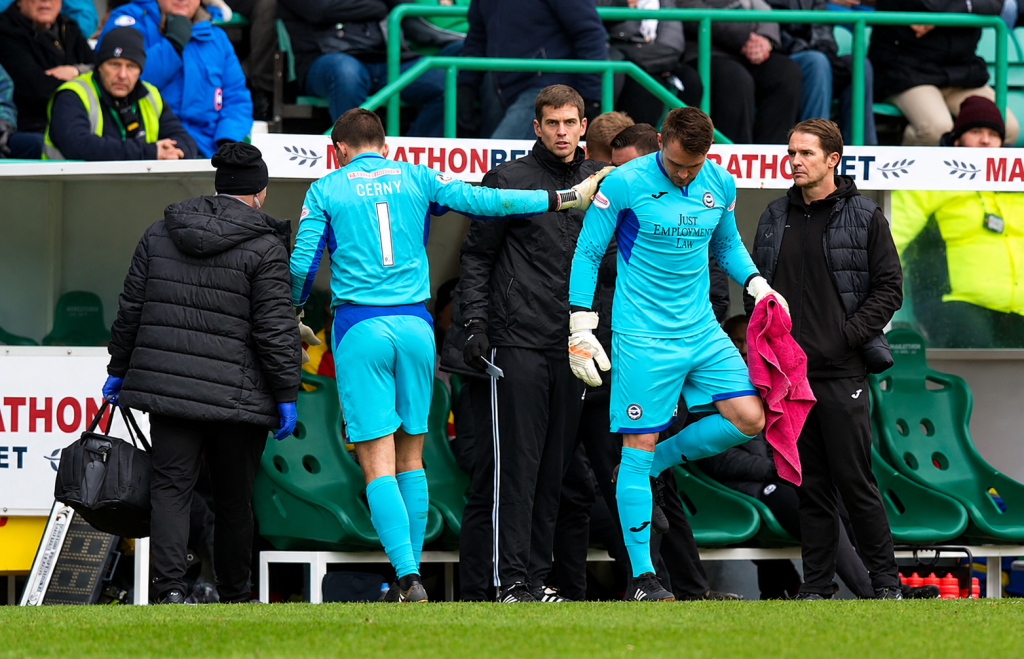
There is always someone waiting. Someone working hard every day. Someone desperate to take your place. That is not a criticism. That is football. I was that goalkeeper too at different points in my career.
So you play.
Even when your foot hurts.
Even when your shoulder is not right.
Even when you need tablets before the game.
Even when you know, deep down, that your body is not fully ready.
But it was not only fear that kept you going.
There was also a sense of obligation.
I felt I owed something to the fans, to my teammates, to the staff, and to the people around the club. People had invested trust in me. Supporters travelled, paid their money, and gave their emotion to the team. Teammates trained all week and needed to know the goalkeeper behind them was ready. Staff made decisions and put their faith in you. I did not want to let people down.
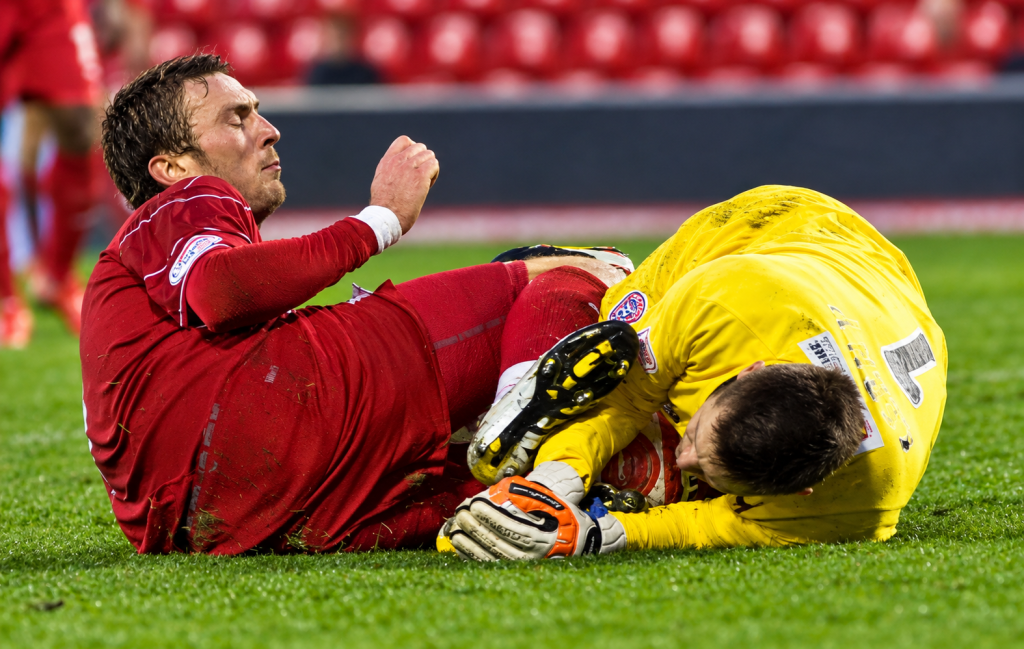
At the same time, I hated the pressure of games and everything that came with it. I hated the nerves before kick-off. I hated the weight of knowing that one mistake could be remembered more than ten good saves. I hated the lonely feeling goalkeepers can have before a match, when everyone is watching but nobody can really help you.
But there was also a small part of me that loved it.
Not the fear itself. Not the anxiety. Not the pressure in a comfortable way. But the feeling that came with facing it, surviving it, and sometimes overcoming it. It made me feel alive.
I loved walking out in front of thousands of people.
I loved the first cross you catch cleanly. The first save. The first moment where your body settles and your mind says, I am in the game now.
I loved getting through difficult moments.
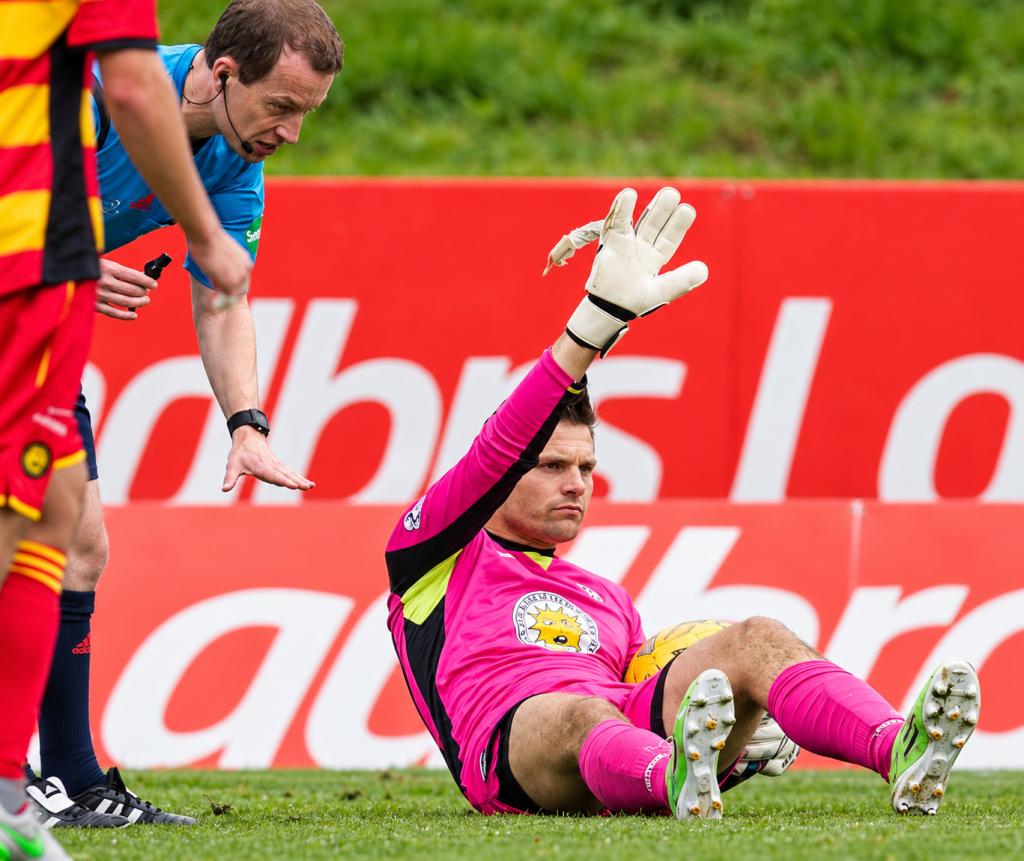
And maybe most of all, I loved the release afterwards.
That feeling when the final whistle goes and you know you have done your job. The pressure leaves your body. The noise changes. You breathe properly again.
It is hard to explain to people who have not felt it.
It is adrenaline. Relief. Pride. Exhaustion. Happiness. Sometimes all at once.
In some ways, it is almost like a drug.
Not in a dramatic way. Just in the sense that the feeling is so powerful, and so difficult to find anywhere else in normal life. The adrenaline, the pressure, the elation, the relief — those emotions are so intense.
The only other moments in my life where I remember feeling something as strong were when my children were born.
It feels strange to compare football with something so much more important.
But I think that is the point.
Professional sport creates feelings that are not normal. The highs are not normal. The pressure is not normal. The fear of losing your place is not normal. The way your body and mind react to competition is not normal.
And when you live inside that world for many years, pain becomes part of the deal.
Not because it should be.
But because it does.
I have been lucky.
I do not feel that football has taken my health from me. If anything, it taught me how to look after my body. It taught me how to train, recover, build strength, listen to certain warning signs and understand what my body needs.
At 41, I probably feel better than many men my age.
But maybe that is partly luck.
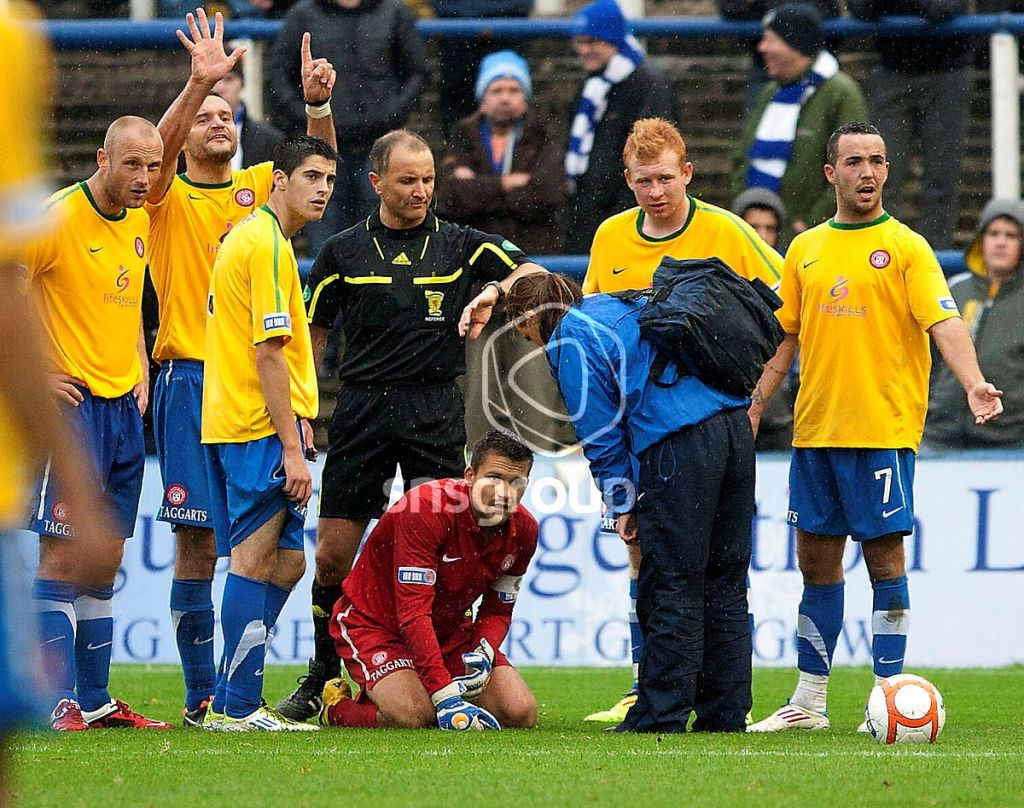
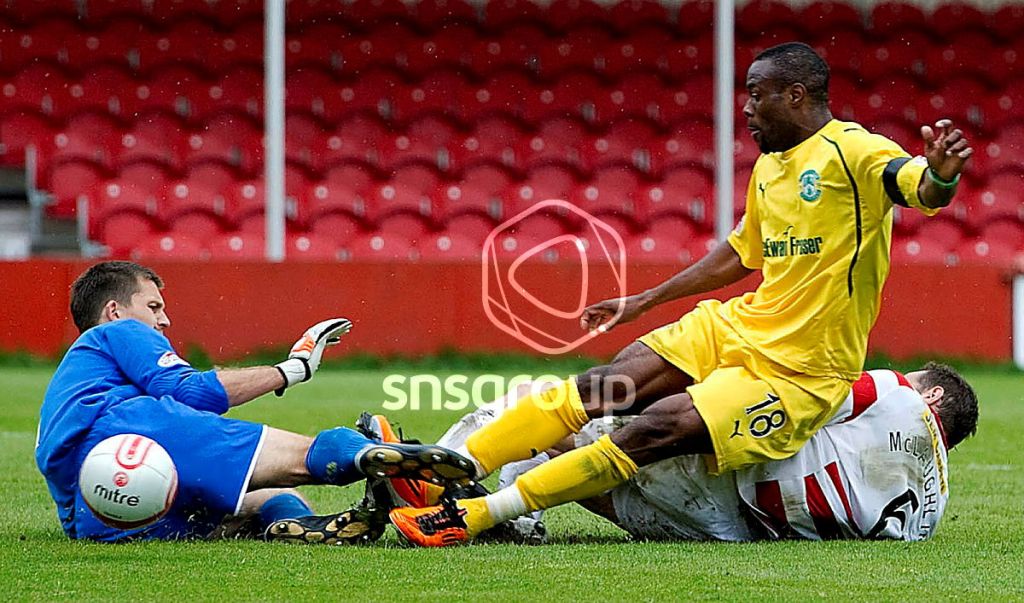
I had injuries. Fractures. A shoulder injury. A foot injury. Plenty of knocks and pain over more than twenty years. Towards the end, I was taking strong painkillers before games just to get through them.
But overall, I was lucky. I did not miss too many matches through injury. I managed to keep going. I managed to have a long career.
Not everyone gets that.
Some athletes pay a much heavier price.
That is why watching Rafa made me think. Not just about greatness, but about cost.
We often celebrate athletes for pushing through pain. We call it bravery. Mentality. Character. Warrior spirit.
And sometimes it is all of those things.
But it is also complicated.
Because there is a line somewhere. A line between commitment and damage. Between courage and risk. Between loving your sport and giving too much of yourself to it.
When you are young, you do not always see that line clearly.
When you are inside the changing room, you do not always have time to think about it.
You just want to play.
You want to be available.
You want to help the team.
You want to prove you are strong enough.
You want that feeling again.
And maybe that is why athletes do it.
Not only for money. Not only for contracts. Not only for trophies.
But because, for a while, playing makes you feel fully alive.
And when something has made you feel that alive for so many years, it is very hard to let pain be the reason you stop.
What Stayed With Me
Watching Rafa reminded me that elite sport is never just what people see.
They see the match. The stadium. The save. The trophy. The applause.
They do not always see the tablets before kick-off. The injections. The strapping. The treatment room. The conversations with physios. The private doubts. The small negotiations you make with your own body.
As athletes, we sometimes talk about sacrifice like it is simple.
But it is not simple.
Sometimes the sacrifice is your comfort. Sometimes it is your peace of mind. Sometimes it is your body.
And sometimes you only understand that properly when you look back.
Lesson for Goalkeepers
Pain and pressure are part of football, but they should never become something you ignore blindly.
There will be times when you have to be tough. There will be times when you have to play through discomfort. That is part of sport.
But being tough does not mean pretending everything is fine.
A good goalkeeper needs courage, but also honesty.
Be honest with your body. Be honest with your coaches. Be honest with yourself.
Do not miss games because you are afraid. But do not play just because you are afraid someone else might take your place.
That is a hard balance.
And most goalkeepers will have to learn it.
Lesson for My Children
If you love something, you will sometimes be willing to suffer for it.
That can be a beautiful thing.
But it can also be dangerous if you never stop and ask why.
Work hard. Be committed. Do not give up too easily.
But remember that your body and your health are not separate from your dreams. They are what allow you to live them.
There is strength in pushing through difficult moments.
There is also strength in knowing when to stop, when to rest, and when to look after yourself.
The best people are not the ones who suffer the most.
They are the ones who understand what matters, and still find a way to live fully.

