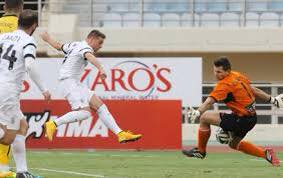
Unpaid wages, a strange bonus, and one of the most uncomfortable matches of my football life.
In Greece, like in Bulgaria, it was quite normal for the team to stay in a hotel the night before a game.
It did not matter whether the match was home or away. The idea was always the same. The club wanted to control the preparation. What time you ate. What you ate. What time you went to bed. What time the meetings were. When you rested. When you left for the stadium.
On paper, it was professional.
And sometimes it was.
But when I look back at my time in Greece, there were moments when the professional routine on the outside did not match what was happening underneath.
At Ergotelis, we were not being paid properly. It was a situation I had already experienced in Bulgaria, so in one way it was not completely new to me. But that does not make it normal. When players are not being paid, it affects everything. It affects the changing room. It affects training. It affects trust. It affects the way people speak to each other. It affects performances on the pitch, even if nobody wants to admit it.
You still try to do your job. You still train. You still prepare. You still go out and play.
But it is there.
The night before we played PAOK, we were staying in the hotel before the game. PAOK were a strong side. They had quality players, international players, and they were fighting near the top of Greek football. It was going to be difficult enough anyway.
After dinner, a man came to speak to us.
I understood at the time that he was an important figure around the club. Not officially in the way people always appear on websites or in programmes, but someone with influence. Someone connected. Someone people listened to. I also understood that he had connections with Olympiacos.
PAOK and Olympiacos were fighting near the top of the league, so the match mattered to more than just us. If PAOK dropped points in Heraklion, that helped other people.
The man spoke to us about the game. He said it was a big match. We had to fight. We had to take something from PAOK.
And then he said there would be a big bonus.
If we took points from the game, we would get €5,000 each.
I remember thinking how strange that felt.
We were not being paid our normal wages, but suddenly there was money for a special bonus.
As players, of course, part of you hears that and thinks, okay, that is an extra motivation. We were professionals. We wanted to win anyway. We wanted to compete. We wanted to show that we could stand up against a strong team.
But another part of you wonders where the money is coming from.
That is the part people outside football maybe do not always understand. When things are not right at a club, your mind starts asking questions. You hear promises. You see people coming and going. You are told money is coming. Then it does not come. Then suddenly, for one particular game, there is a huge bonus being offered.
You do not always know what to think.
The next day, we played PAOK at the Pankritio Stadium in Heraklion.
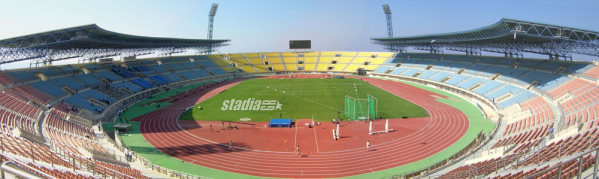
It was not one of those games where you feel completely dominated from the first minute. PAOK had quality, of course, but we were in the game. The match stats show it was quite balanced in many ways — PAOK had a little more possession, 53% to our 47%, and the shots were 10 to 7 in their favour.
But from early in the game, I had a strange feeling.
As a goalkeeper, you notice the rhythm of a match. You feel when pressure is building. You feel when the other team is getting closer to your goal. You feel when the game is flowing naturally, and you also feel when it keeps being interrupted.
That day, I had the feeling that many of the decisions were helping us.
Small contacts became fouls for us. Moments where PAOK looked like they might build an attack were stopped. Situations that felt dangerous suddenly disappeared because of a whistle or a flag. I remember thinking that PAOK were not being allowed to get too close to our goal too easily.
It was not something I could prove in the moment. And when you are playing, you cannot stand there thinking about it too much.
You have to do your job.
Catch the ball. Organise the defence. Stay ready. Concentrate on the next action.
But I did feel uncomfortable.
PAOK still had chances. They were too good not to.
There was one moment in the first half when Robert Mak went through and I had to make a save. That is the strange thing about games like this. Even when something feels odd around the match, the football itself is still real. The striker still runs. The ball still comes. You still have to react. You still have to make the save.
Then, just before half-time, PAOK scored.
Stelios Kitsiou played a pass through to Stefanos Athanasiadis, and he finished to make it 1–0 in the 42nd minute.
At half-time, we were losing, but the game was not finished.
And this is important.
The bonus was not only about winning. The message, as I remember it, was about taking points from PAOK. At 1–0, one chance could still change everything. One equaliser, and PAOK would drop two points. For us, that would have been a big result. For other people, it would have meant even more.
In the second half, we pushed.
We were not brilliant, but we were still alive. There was a chance to get something from the game. I remember the feeling that we were being given opportunities to put the ball into their box. Soft free kicks. Little decisions. Chances to build pressure.
And with every minute that passed at 1–0, the game became more uncomfortable.
Because part of me was still just trying to play football.
But another part of me could feel that something was not right.
Near the end, we were still chasing the equaliser. We had moments. The match report mentions one good chance in the second half when Youssouf created an opening and Chalkiadakis shot over from a dangerous position. That was the kind of moment where the whole story could have changed.
One good contact. One calm finish.
1–1.
PAOK drop points.
Everyone gets paid.
But football does not always follow the script people try to write for it.
Deep into stoppage time, PAOK scored again. Athanasiadis got his second goal in the 96th minute and the game finished 2–0.
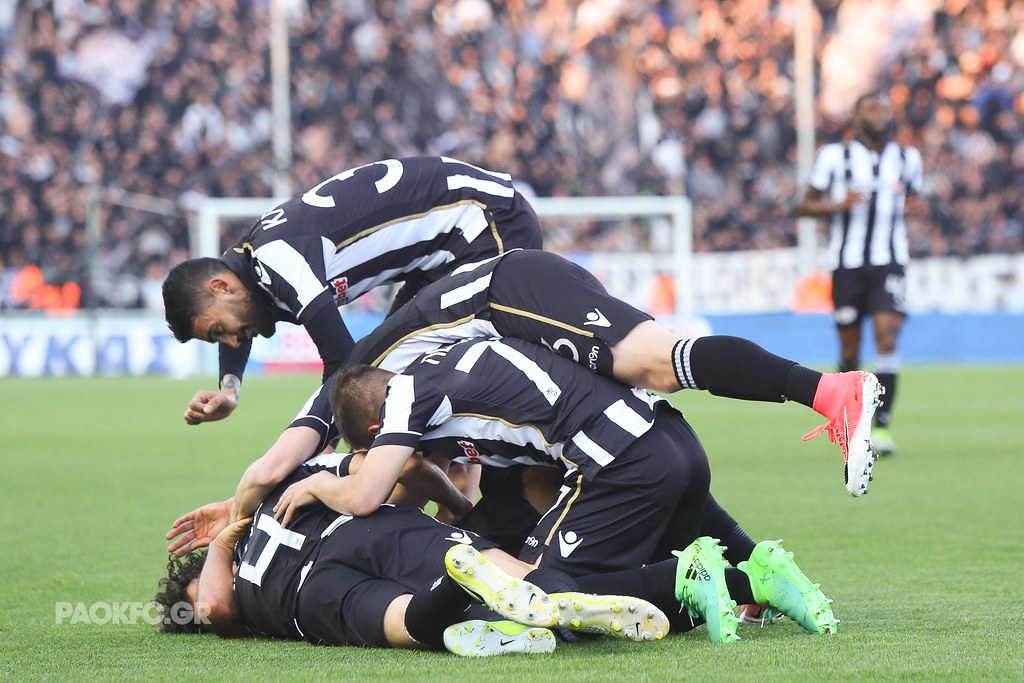
That was it.
No points.
No bonus.
No happy ending.
We went back into the changing room disappointed. I think we were also confused. Maybe not everyone felt the same way, but I remember sitting there with this strange feeling from the game still in my head.
Then the same man who had come to speak to us in the hotel the night before came into the dressing room.
But this time he was not friendly.
He was furious.
He was kicking things. Throwing things around. Shouting at players.
I can still remember the feeling in the room. It was not normal anger after a defeat. Football people get angry. Owners get angry. Coaches get angry. Players get angry. That is part of the game.
But this felt different.
He shouted something along the lines of:
“I did everything. I offered you the bonus. I paid the referee. And you still couldn’t take anything from the game.”
I was shocked.
And at the same time, suddenly everything I had felt during the match came back into my head.
The soft fouls. The strange rhythm. The feeling that PAOK were being stopped whenever they started to get too close. The uncomfortable sense that the game was not moving naturally.
I remember thinking: so that is what this was.
It is not a nice feeling.
I am still uncomfortable writing about it now.
Not because I had done anything wrong. I did not. I did not ask for that situation. I did not know anything before the game apart from the bonus that had been promised. I went out, played in goal, tried to perform, tried to help my team.
But when you realise that a match you played in may not have been clean, it leaves something with you.
You feel used.
You feel embarrassed, even if it was not your fault.
You feel like the game you loved as a boy has been taken away from you for a moment and turned into something else.
That is the hardest part to explain.
As players, we were in a difficult position. We were not being paid. We were trying to stay professional in an environment that did not always feel professional. We were expected to train, travel, prepare and perform, while things behind the scenes were falling apart.
Then someone comes in and offers a huge bonus for one particular result.
You want to win. Of course you want to win.
But later you realise you were not only playing a football match.
You were part of a bigger game around the game.
And that is a horrible feeling.
When I was young, I dreamed about football very simply. I dreamed about making saves. Playing in stadiums. Wearing gloves. Being part of a team. Winning games. Maybe one day playing abroad.
I did not dream about unpaid wages.
I did not dream about hotel meetings with unofficial figures.
I did not dream about referees being mentioned in dressing rooms after matches.
I did not dream about wondering whether the game I had just played was completely honest.
But professional football shows you everything.
It shows you beautiful things. Dressing rooms full of friendship. Big stadiums. Pressure. Joy. Supporters. Moments you never forget.
And it also shows you things you wish you had not seen.
For me, that game against PAOK at the Pankritio Stadium was one of those moments.
Not because it was the biggest game of my career. It was not.
Not because I made some incredible save or terrible mistake.
But because it was one of those games where I walked away feeling that something around the football had become bigger than the football itself.
And I did not like it.
What Stayed With Me
What stayed with me was the feeling of being caught inside something I could not control.
As a goalkeeper, you already live with pressure. Your mistakes are visible. Your decisions matter. You stand slightly apart from everyone else, and you have time to think during a game.
But this was different.
This was not about pressure from the crowd, or the opposition, or the score.
This was about the uncomfortable feeling that the game itself was not clean.
I still believe most footballers just want to play. They want to compete honestly. They want to win because they were better, braver, stronger or more disciplined on the day.
But sometimes, around football, there are people who see the game differently.
For them, football is not a game.
It is influence. Money. Power. Control.
And when you are a player, especially in a foreign country, especially when wages are not being paid, you can feel very small inside that world.
Lesson for Goalkeepers
As a goalkeeper, you cannot control everything around you.
You cannot control owners. You cannot control bonuses. You cannot control referees. You cannot control politics inside clubs. You cannot control whether people above you behave properly.
But you can control your own standards.
You can prepare properly.
You can compete honestly.
You can look your teammates in the eye.
You can walk off the pitch knowing that whatever was happening around the game, you did not sell yourself.
That matters.
Because football can put you in strange situations. Sometimes unfair situations. Sometimes uncomfortable situations. And in those moments, your job is not only to be a good goalkeeper.
Your job is to stay yourself.
Lesson for Luka
Luka, there may be times in life when something around you does not feel right.
Maybe other people will tell you it is normal. Maybe they will say everyone does it. Maybe they will say not to worry about it. Maybe they will make something wrong sound clever, or powerful, or just part of the world.
But you have to listen to that small feeling inside you.
The feeling that says: this is not right.
You will not always be able to change the situation. You will not always be able to fix everything. Sometimes you may only be able to walk away, stay honest, and make sure you do not become part of it.
Your name matters.
Your character matters.
Football comes and goes. Money comes and goes. Praise comes and goes.
But you have to live with yourself.


Leave a Reply