Sofia Part 2 — Arrival in Sofia
I packed quickly. There was no time to overthink it. A few essentials. Boots. Gloves. Basic clothes. The things you know you will need straight away.
The next day, I was on a flight to London. From there, I had a late connection to Sofia.It all happened very fast.
I arrived in the middle of the night, at the old terminal. My first impression was not great. The airport felt tired, quiet and a little dated. It was not the kind of arrival that fills you with excitement when you are stepping into a new chapter of your life. I didn’t know then that Sofia also had a newer, more modern terminal, and that travelling through it would later feel much better than many airport experiences I had known in the UK.
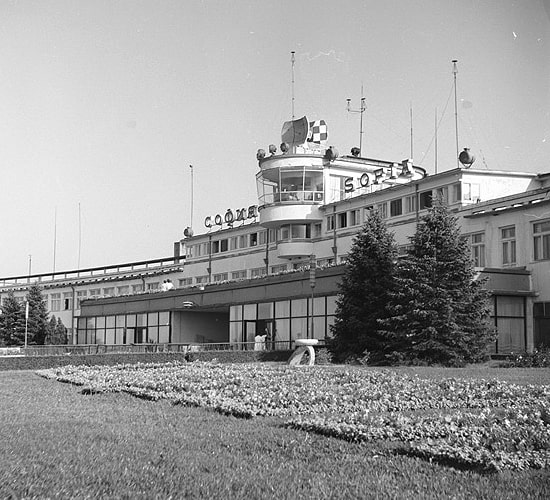
But that first night, this was my introduction. Outside, I got into a taxi. Within minutes, we were flying through the city. Eighty miles an hour, in the middle of Sofia, late at night. I remember sitting there, tired but wide awake, thinking, this is different.
The next morning, there was no gentle start. Straight into testing. One of the first things I had to do was a VO2 max test. You run on a treadmill wearing a mask that measures how much oxygen your body can use as the intensity increases. The speed goes up, the incline rises, and you keep going until your body cannot continue anymore. It is not comfortable. But for whatever reason, it was something I had always been good at.In most teams I played in, I would usually finish in the top three. Which, for a goalkeeper, is not exactly normal.
It was one of those small things that gave me confidence. New country. New club. New environment. But some things stayed the same. You just get on with the work.
After that, I had a check-up with the club doctor. This was the part I was more worried about. I was still coming back from my shoulder injury. It was around the time it was supposed to be healed, but it was still sore. I knew I was close, but I also knew it was not perfect yet. The doctor started moving my shoulder into different positions. Some of them were positions I had not really been in since the injury. I had to bite my teeth and get through it.
I didn’t want to show too much.Not because I was trying to hide something, but because as a footballer, you know how fragile these moments can be. One bad test, one concern, one doubt, and the opportunity can disappear.
The next step was a private clinic. MRI scans. I spent almost three hours inside the tunnel. Both shoulders. Knees. Ankles. Everything checked. Anyone who has had an MRI knows it is not exactly relaxing. You are lying still, the machine is loud, and you have too much time to think. I remember thinking about everything that had led me there. The phone call. The waiting. The decision with Laura. The contract that might be waiting.The shoulder that still didn’t feel quite right. And then the results came. I passed.
The next stop was Bulgarska Armia Stadium. The name means “Bulgarian Army Stadium,” and that alone tells you something about CSKA. CSKA stands for Central Sports Club of the Army, and the club’s identity has always been closely connected to the army tradition in Bulgaria. The stadium was in Borisova Gradina, a park in the centre of Sofia, and had been CSKA’s traditional home for decades. Walking into that place, you could feel the history. It was not shiny or perfect, but it had weight. It felt like an old football stadium. A proper one. The kind of place where you know thousands of stories have already happened before you arrive.
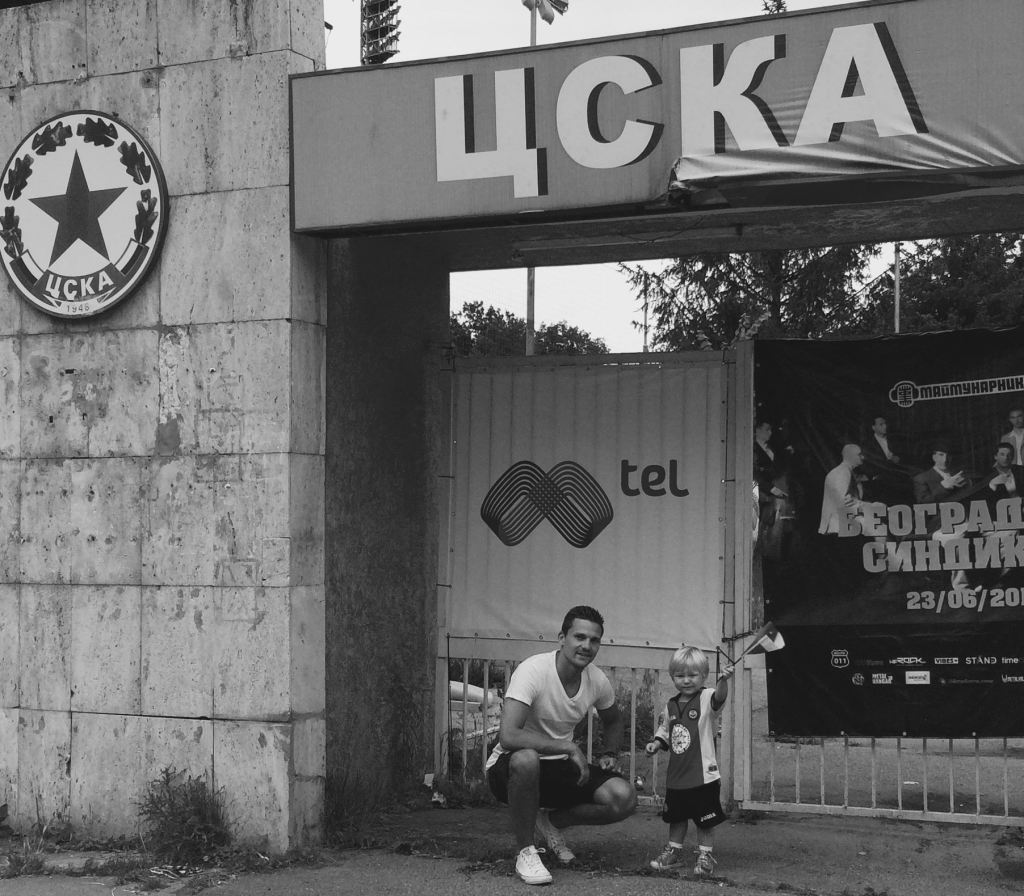
I went there to sign the contract. There it was. Black and white. One version in Cyrillic alphabet, one version in English.
The sums were correct.
The length was correct.
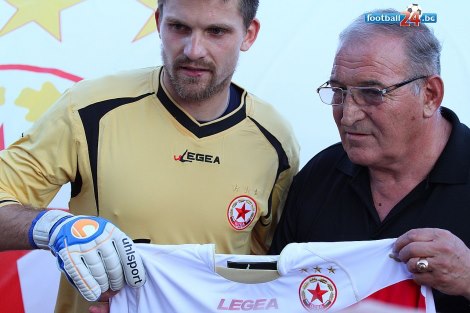
Everything that had been discussed was there on the page. I sat down with the sporting director and signed.
Just like that, it was official.
I was a CSKA Sofia player.
Lesson for Goalkeepers
Football will not always feel organised, fair or comfortable. You might arrive somewhere new, face a different culture, train in difficult conditions, meet new teammates, or suddenly realise that the environment is not what you expected. In those moments, your job is still the same: prepare properly, listen, learn quickly, and stay professional. A goalkeeper has to adapt. You cannot wait for everything around you to feel perfect before you perform.
What I’d want my children to learn
Sometimes life will take you into places and situations that feel completely unfamiliar. You might not understand everything straight away. You might feel nervous, unsure, or out of your comfort zone. That does not mean you are in the wrong place. It just means you are growing. Try to stay open, be respectful, learn from the people around you, and give yourself time to adjust. New experiences can feel scary at first, but they can also teach you things you would never learn by staying where everything feels safe.


Leave a Reply