“You never know when it’s your last game, so play every game as if it were your last.”
There are some games that feel bigger because of the league table, the occasion or the pressure around them.
And then there are games that become bigger only later, when life gives them a meaning you could not fully see at the time.
That is what Easter Road became for me.
It was the final league game of the 2018–19 season. I was playing for Aberdeen, but by that point in my career I was the number two goalkeeper behind Joe Lewis. I knew all week that I would be playing because Joe was injured, and with that came a real sense of responsibility. We had to win to give ourselves a chance of finishing third and securing a European place. I had only played 47 minutes in the league that season before that day, so it was not a game I could drift into. I knew I had to be ready straight away.
I had been nervous all week.
But once we got to the Dakota hotel the night before the match and I settled into my normal pre-match routine, something changed. I felt calmer. More focused. More like myself. As always, I wrote down a few notes and reminders before the game. On the last note, I wrote something simple:
This could be your last game, try to enjoy it.
At the time, I hoped it would not be. I still wanted more. But I also knew enough about football by then to understand that careers can end quickly. A bad injury, a drop in form, one decision, one setback, and everything can change. That thought had followed me for most of my career. It was one of the reasons I kept studying while I played, why I completed two university degrees, why I learned languages, why I made sure football was not the only thing I was building my life around. Football gave me so much, but I never wanted it to be the only part of who I was.
Still, when the game starts, all of that disappears for a while. Then you are just in it.
I remember feeling the weight of the occasion from the first whistle. It was the last day of the season. We needed the win. I wanted to do my best for the team. I wanted to help Aberdeen finish strongly. And I wanted to give our captain, Graeme Shinnie, a good send-off in what was going to be his last game for the club before his move down south.
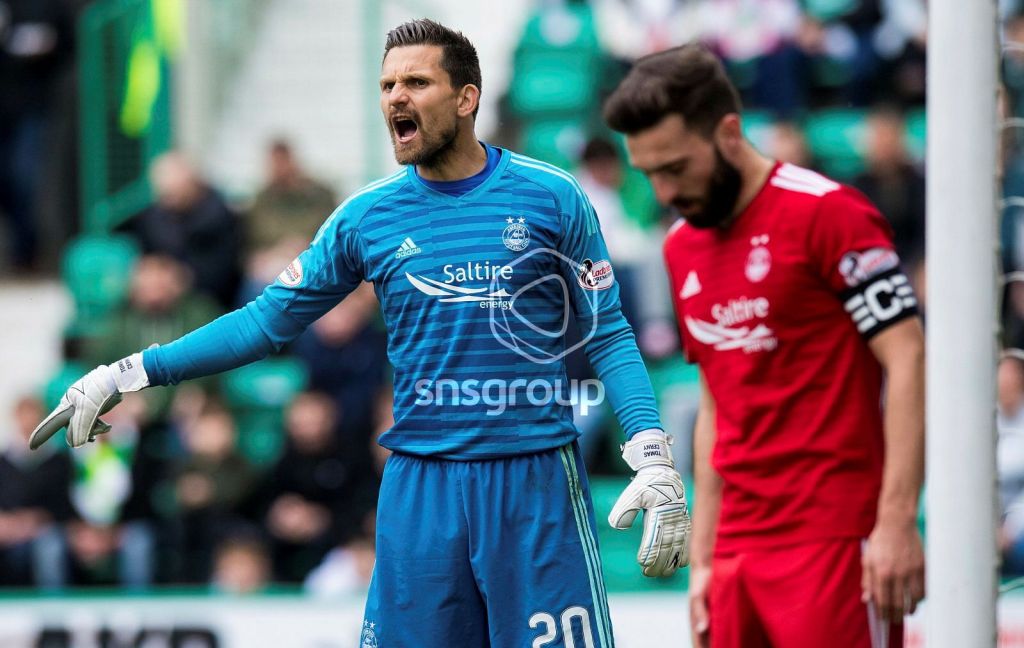
Before kick-off, during the warm-up, I saw Laura in the crowd. That settled me. There is something about seeing someone you love in the stands that can bring you back to yourself. It made the day feel different. Calmer. Bigger. More personal.
The game did not start perfectly for us. We went 1–0 down in a one-against-one situation. It was a difficult moment, but there was still plenty of time left, and I reminded myself of the same thing I always tried to hold on to in big moments:
stay focused.
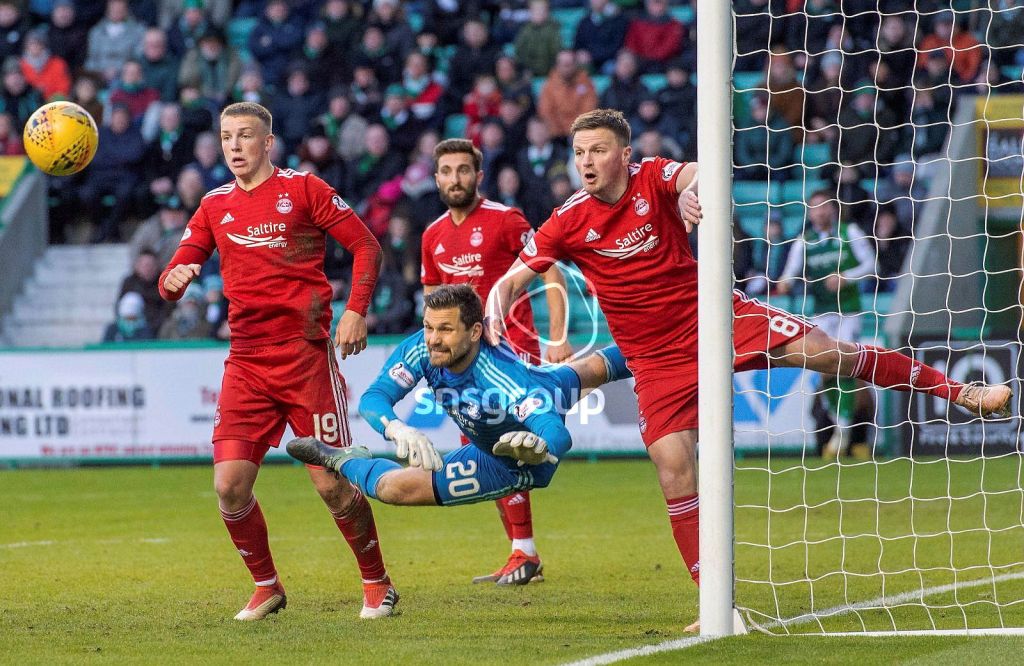
Not long after that, I played a risky pass into Lewis Ferguson that could easily have gone wrong. If Hibs had scored from it and gone 2–0 up, the whole story of that afternoon might have been very different. That is football, and especially goalkeeping. One moment can send a match, and a memory, in a completely different direction.
But after that, I settled. I did not make any spectacular save or do anything dramatic. I just had a steady game. I dealt with things well. I did what I needed to do.
And all through the match, something happened that made the day even more special.
The Aberdeen fans were singing my name.
That surprised me, because I was not the number one goalkeeper. But hearing them sing “shalalalala Tomáš Černý” through the game made me incredibly happy. It made the whole occasion feel warmer, more meaningful, and more memorable than I could have expected.
We turned the game around and won 2–1.
At full-time, there was relief, of course, but more than that there was satisfaction. We had done our job. I hugged Shinnie after the game, celebrated with the fans, and then made the journey home in the car with Laura to our beautiful children, Elli and Luka.
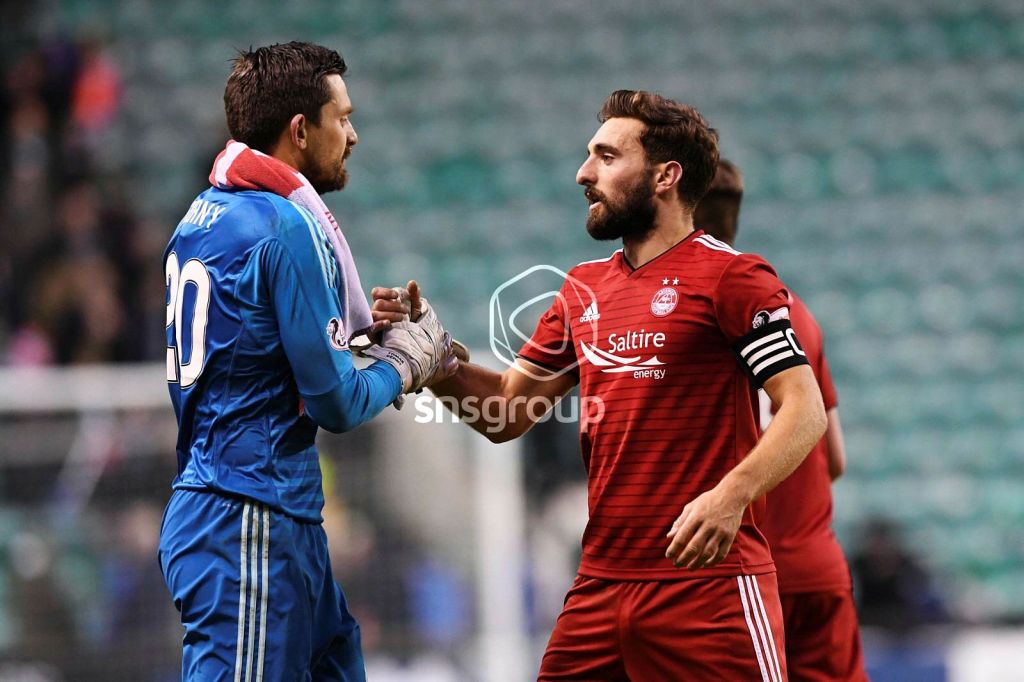
At the time, I hoped it would not be my last proper game in professional football. I still had two more seasons at Aberdeen after that. But it did turn out to be my last official game in the top flight, and that only really hit me later, when I retired because of injury.
Looking back now, that day means even more to me than it did then.
It reminds me of something football teaches you again and again, if you are willing to listen: you never really know when the last one is coming. Sometimes there is no grand farewell, no perfect ending, no moment that announces itself clearly. Sometimes it is just another game, another team hotel, another warm-up, another ninety minutes — until years later you realise it mattered far more than you knew.
That is why every game matters.
That is why every training session matters.
That is why every chance you get matters.
Because one day, without warning, it will be the last one.
Lesson for young goalkeepers
One of the biggest lessons football teaches you is not to take any game for granted. You never know when your next chance will come, and you never know when your last game will arrive. So be ready, be present, and give your best every time you step onto the pitch. Enjoy the game, compete hard, and do not wait for some “perfect moment” to appreciate what you have. It is already happening.
What I’d want my children to learn
You never really know when something is happening for the last time. A match, a school year, a family holiday, a walk with someone you love, or a normal day that feels like nothing special at the time. That is why it matters to be present, to give your best, and to appreciate the people around you while you are still in that moment. Life moves quickly. Don’t rush through it waiting for the next thing. One day, some of the ordinary moments will become the ones you remember most.
 Tomas Cerny - Behind the Gloves
Leave a Reply